Medical oncology
The protocol changed this week.Has your practice?
Systemic therapy protocols change all year, whether the change comes from your government or state protocols, a library such as eviQ, a guideline such as NCCN, or your own committee. Every update means a pharmacist reviews it, a regimen is rebuilt in the EMR, a local document goes through sign off and nurses need to know what changed before the next patient sits in the chair. AyniHealth gives your service one system to run that change, prove it happened and show it at audit.
The quiet workload behind every update
Most services manage protocol change across email, shared drives, spreadsheets and the EMR build queue. Nobody sees the whole picture, so pharmacy validates the regimen, someone chases signatures on the local protocol and nursing education happens when it can. Across a busy service that can mean well over a hundred changes a year, each one touching several people and several systems.
Pharmacy
Your pharmacists already do the hard clinical thinking. AyniHealth keeps each update moving from review to regimen validation to EMR build, with the evidence and approvals attached, so nothing waits in an inbox.
Nursing
Each update can carry a short competency check, so your educators know who has read it, who has been assessed and who still needs support before the new regimen goes live.
Sign off and the EMR, linked
The local protocol isn't marked current until it's signed, and the regimen isn't released until the build has been checked against it. Your own documents and your own EMR stay yours. The version history is there when the auditor asks.
From trigger to closed out
Every update follows the same path, whether it starts with a revised government protocol, a new NCCN version, an eviQ revision or a local decision. The trigger is logged, the impact is assessed and one person owns the change. The document is drafted with tracked changes, reviewed by medical oncology, pharmacy and nursing, then signed off through your own governance pathway. Only then is the regimen built, and it stays inactive until a second person has checked it against the signed document. Staff are brought up to date before the effective date, the old version is retired so nobody can reach for it by mistake, and a short review a month later confirms the change is working. Your team starts from a ready checklist and adapts it to the way your service already runs.
Proof that people can do it, not just that they read it
Regulated industries learned long ago that a signature saying someone read a document is not evidence they can apply it. The same thinking is built into a short credentialling challenge for document change. Everyone learns to find the current version and spot an obsolete one. Authors, reviewers, approvers, EMR builders and independent checkers each complete the part that matches their role, finishing with a real change verified by a colleague. Experienced staff can test out, and each new version asks people to confirm the change again. When an auditor asks who knew about the update and who could act on it, the answer is already there.
Good practice, lower risk
Risk sits in the gap between what the protocol says and what your system holds. Closing that gap quickly, with a clear record of who checked what, is good practice and a strong story for accreditation.
Introducing something new without the time to write the protocols or build the training? AyniHealth services can help your team get it done.
How ready is your service?
Ten questions, about three minutes, and you'll see where your service is strong and where change slips through.
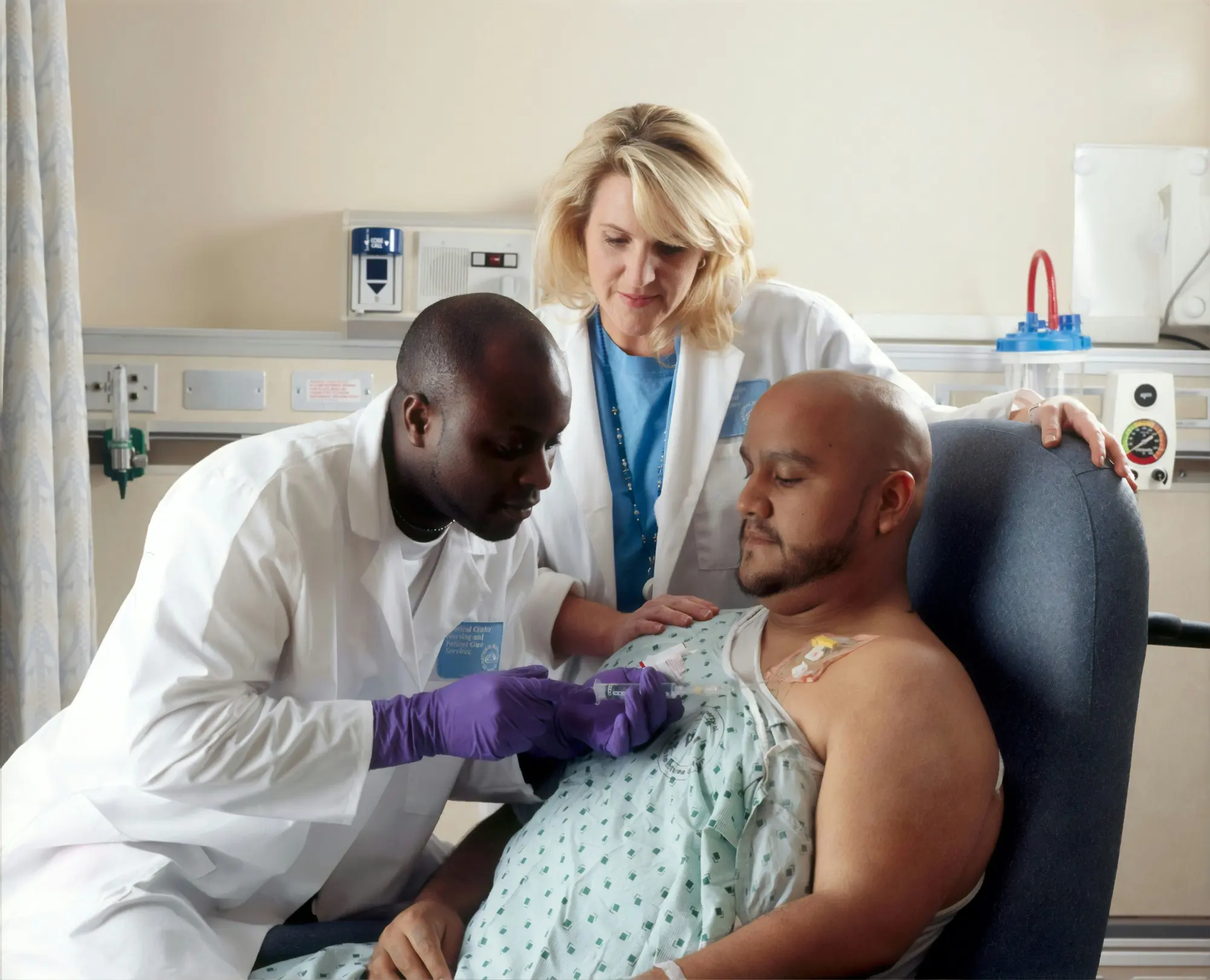
* Photo by National Cancer Institute on Unsplash